Key metrics showing Germany's progress toward environmental goals and sustainable development.
Cities are the front lines of sustainability, implementing smart transport, green architecture, and local renewable generation.
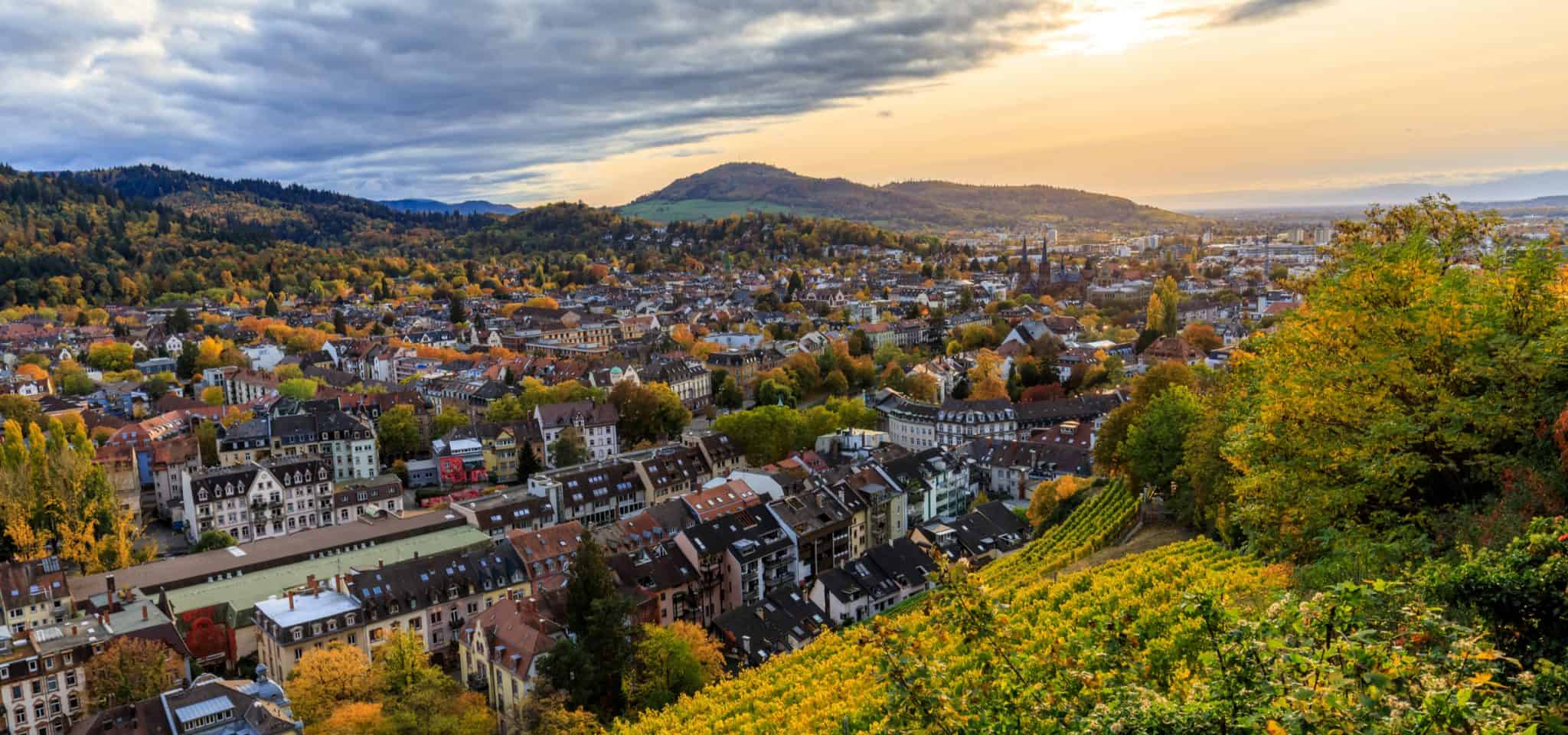
Freiburg — Eco Capital
Known for its **solare Architektur** (solar architecture), strong cycling culture, and integrated urban planning that prioritizes people and nature. It is a benchmark for low-carbon living.
A large-scale urban redevelopment focusing on flood resilience, mixed-use neighborhoods, and high environmental standards. A model for **Klimaresilienz** (climate resilience) in coastal areas.
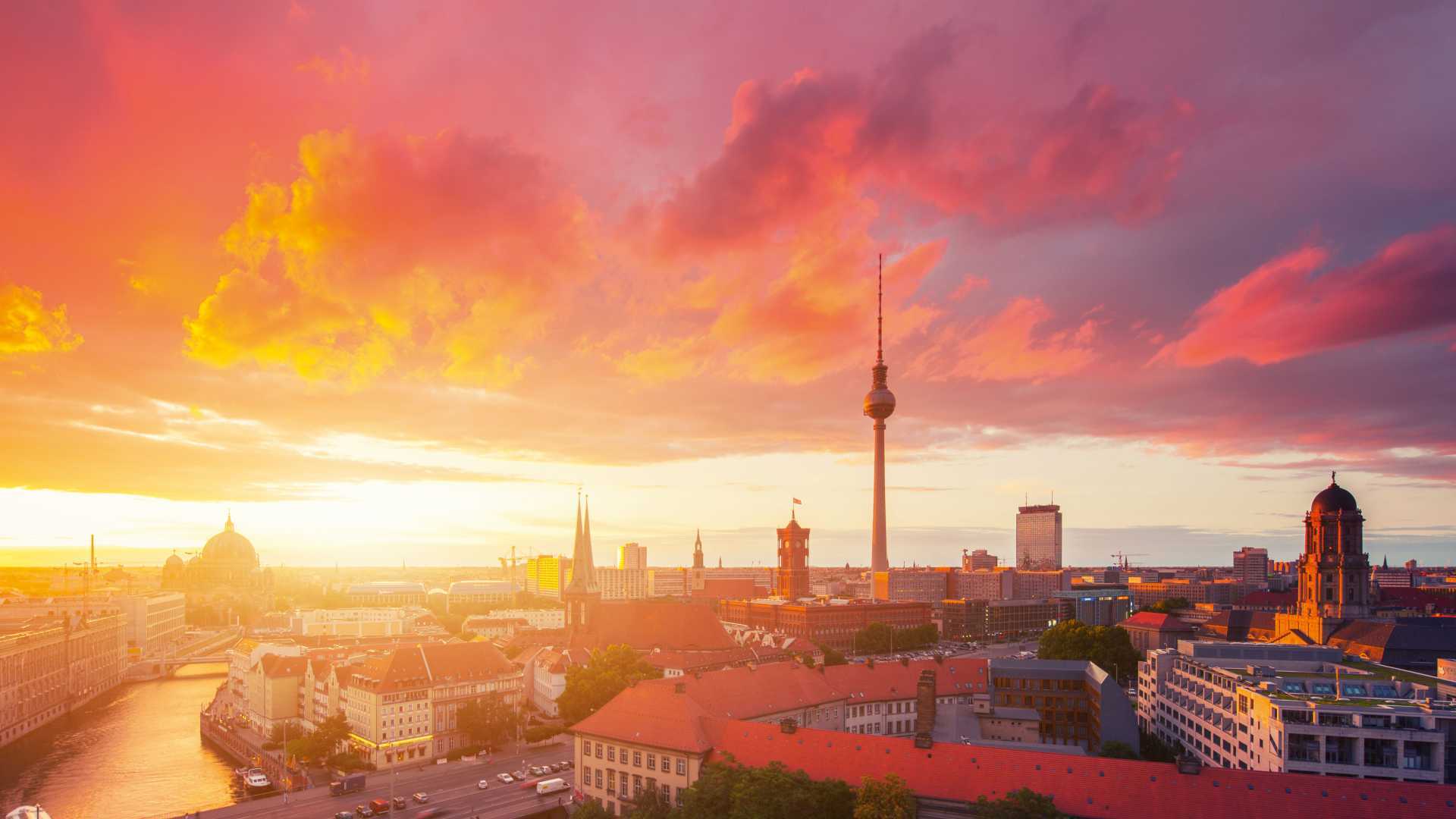
Berlin — Urban Greenery
Despite being a metropolis, Berlin maintains vast green spaces and is a leader in urban biodiversity and ecological restoration of formerly industrial sites.
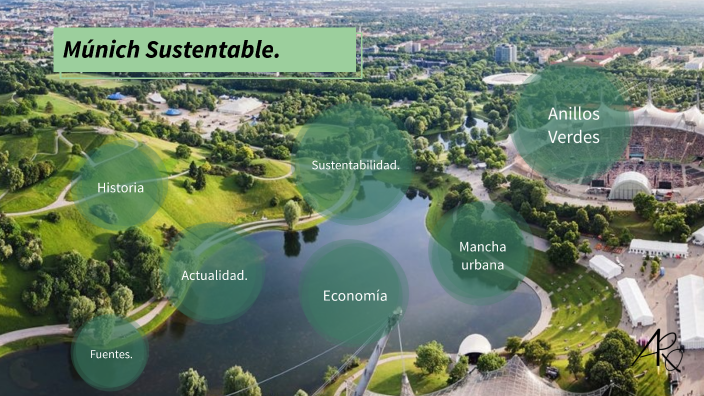
Munich — Sustainable Mobility
Munich leads in sustainable public transport with an extensive network of trams, buses, and U-Bahn, complemented by bike-sharing and pedestrian-friendly zones.
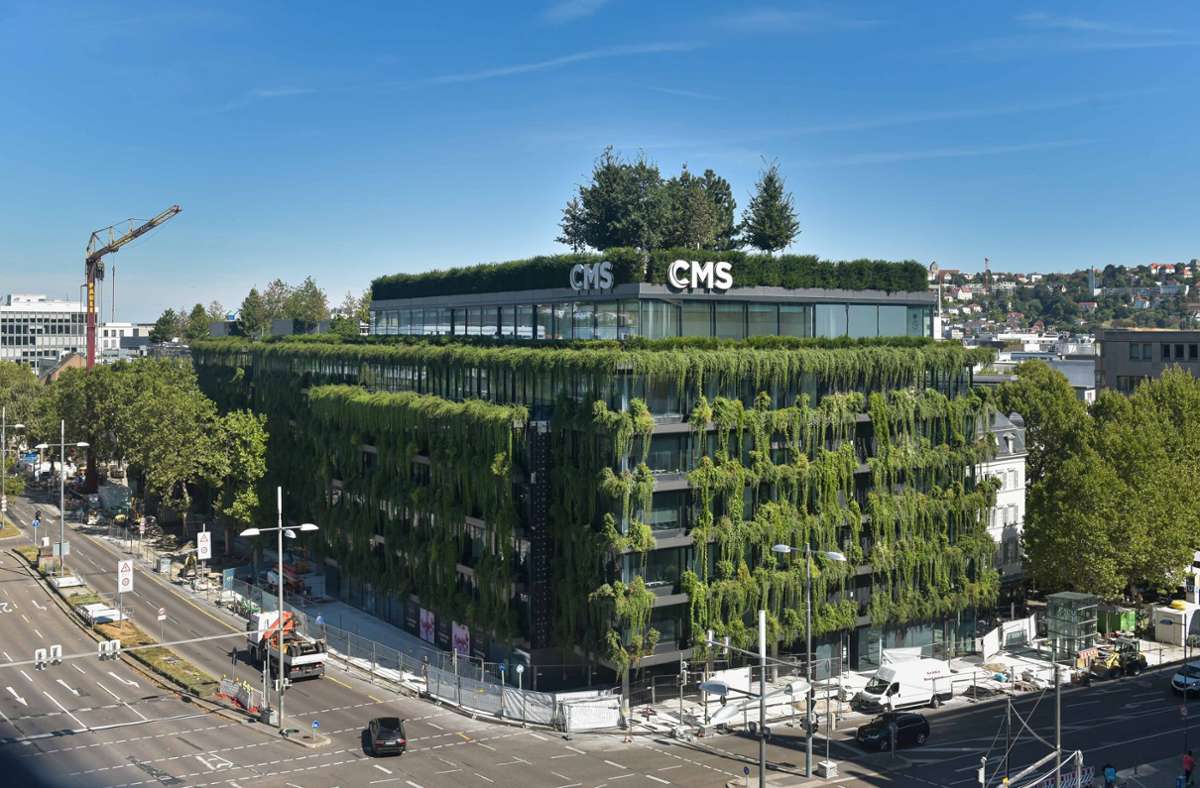
Stuttgart — Green Architecture
Stuttgart integrates green roofs, vertical gardens, and energy-efficient buildings into its urban fabric, creating a harmonious blend of nature and architecture.
Cologne — Renewable Energy Hub
Cologne is pioneering district heating from renewable sources and has ambitious plans to become carbon-neutral by 2035 through solar and biomass energy.
Key milestones in Germany's path toward environmental sustainability and green innovation.
Renewable Energy Act (EEG) introduced, kickstarting Germany's energy transition with feed-in tariffs for renewables.
Decision to phase out nuclear power by 2022 following the Fukushima disaster, accelerating renewable energy expansion.
Climate Action Plan 2050 established, setting sector-specific targets for greenhouse gas reduction.
Climate Protection Law passed, legally binding Germany to climate neutrality by 2045.
Updated Climate Protection Law with more ambitious targets after a constitutional court ruling.
Accelerated expansion of renewable energy with new legislation to speed up planning and approval processes.
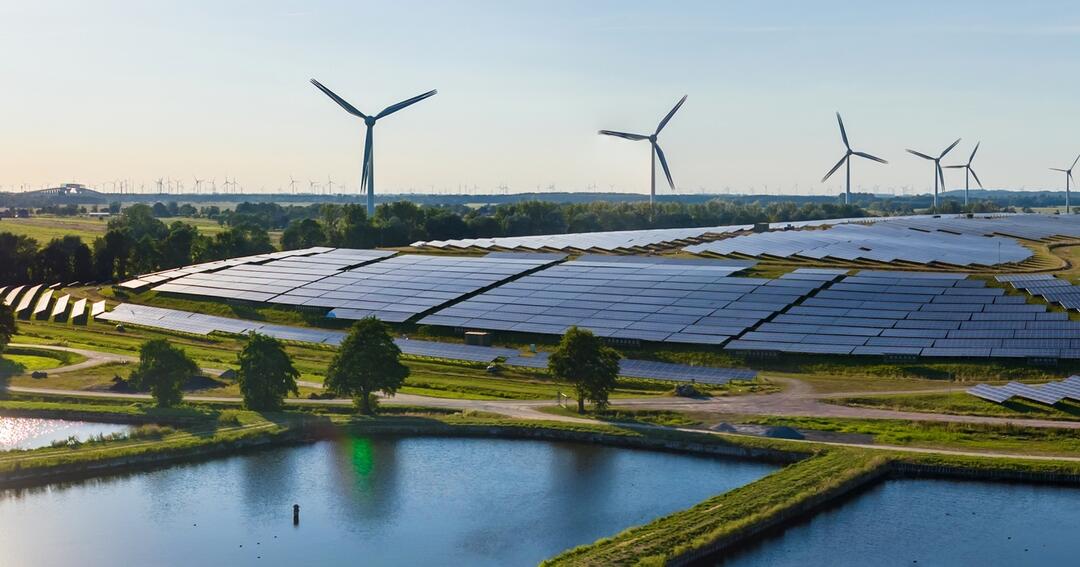
The **Energiewende** (Energy Transition) is Germany's core project, aiming to phase out nuclear and fossil fuels in favor of renewable energy sources.
Significant investment into offshore wind parks (*Windkraft*) and decentralized solar energy (*Solarenergie*), aiming for a majority renewable grid by 2030.
Germany holds one of the world's highest recycling rates, driven by the *Pfand* (deposit) system and strict waste separation laws, minimizing landfill use.
A growing sector committed to ecological farming methods, aiming to reduce the environmental footprint of food production while maintaining high standards.
Interactive map showing key sustainable projects and initiatives throughout the country.
Leader in urban biodiversity and ecological restoration of industrial sites.
HafenCity - Europe's benchmark for climate-resilient coastal development.
Sustainable mobility pioneer with electrified public transport networks.
Green Finance hub supporting global renewable energy transformation.
Green Architecture mandatory for all new urban developments.
Renewable district heating systems powered by solar and biomass.