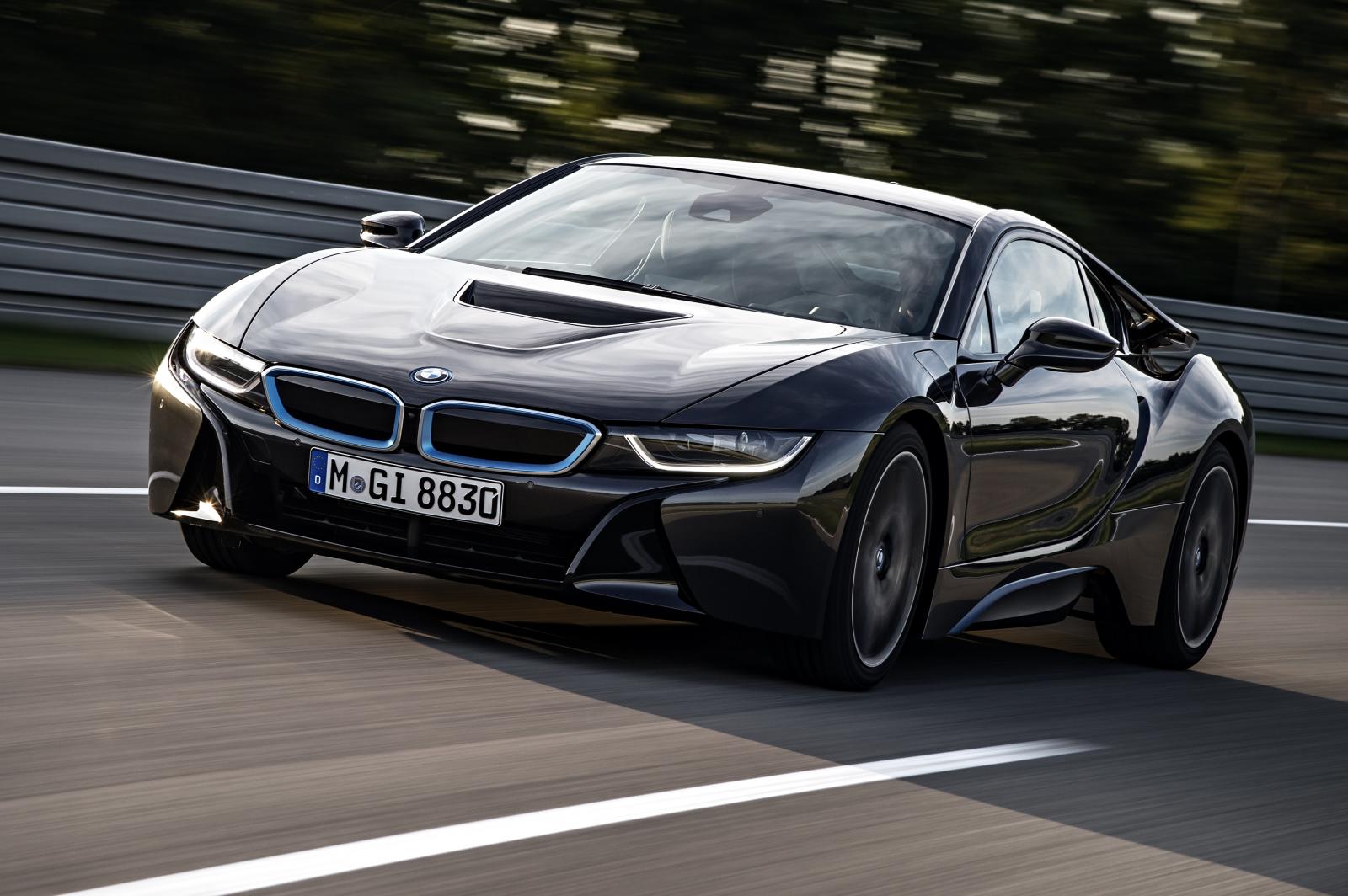
German engineering isn't just about output; it's about the comprehensive system and mindset behind the production.
Products are engineered not just to perform, but to last. This systematic approach prioritizes high material quality, rigorous testing, and safety standards that exceed global requirements. This philosophy is called **Langlebigkeit** (longevity).
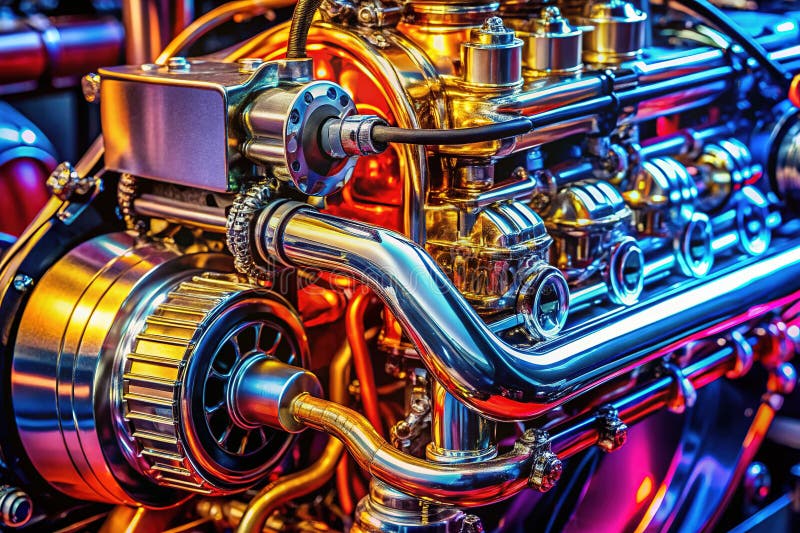
German engineering excellence is built on precision-driven powertrain innovations that maximize efficiency, performance, and durability.
Increases engine efficiency by forcing compressed air into the combustion chamber, enabling greater power output without increasing engine displacement.
Designed for optimal air-fuel mixture and controlled ignition timing, enhancing combustion stability and reducing emissions.
Delivers fuel directly into the combustion chamber for improved combustion control, higher efficiency, and enhanced throttle response.
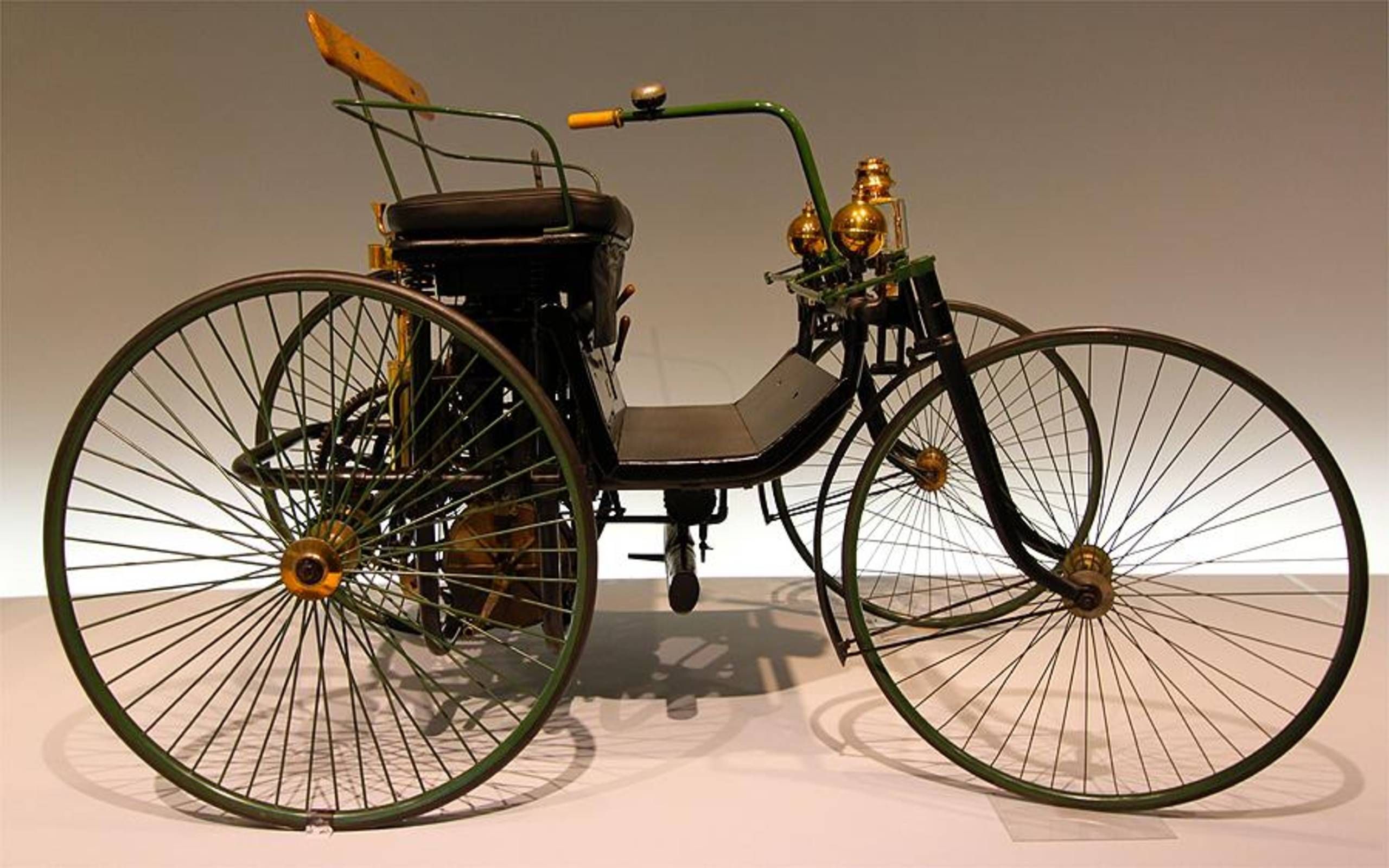
Karl Benz patents the Benz Patent-Motorwagen, considered the first practical automobile powered by an internal combustion engine.
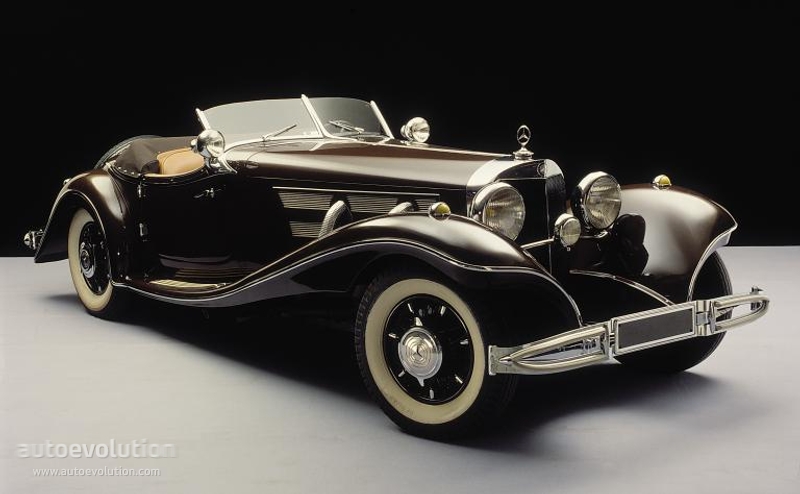
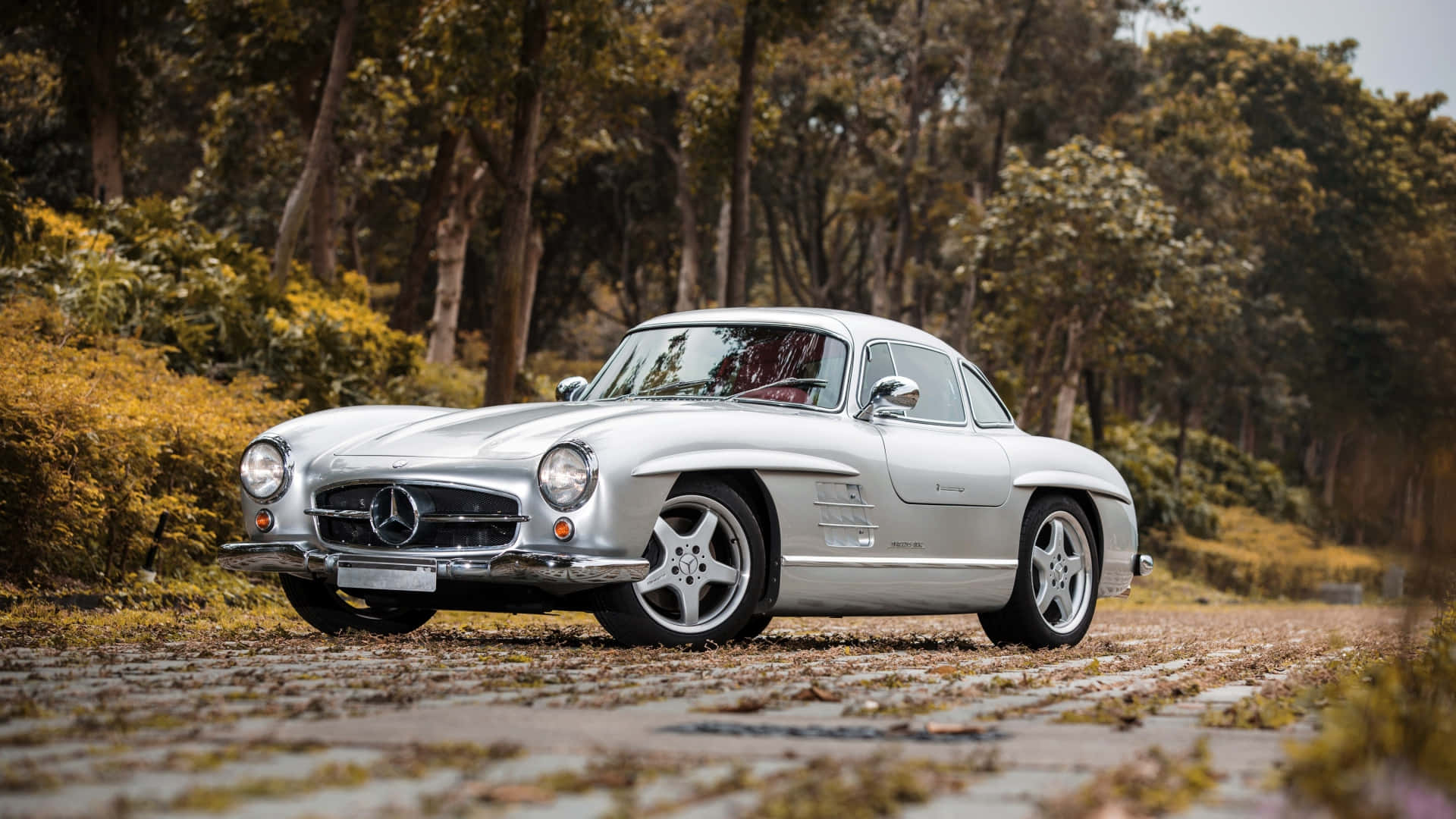
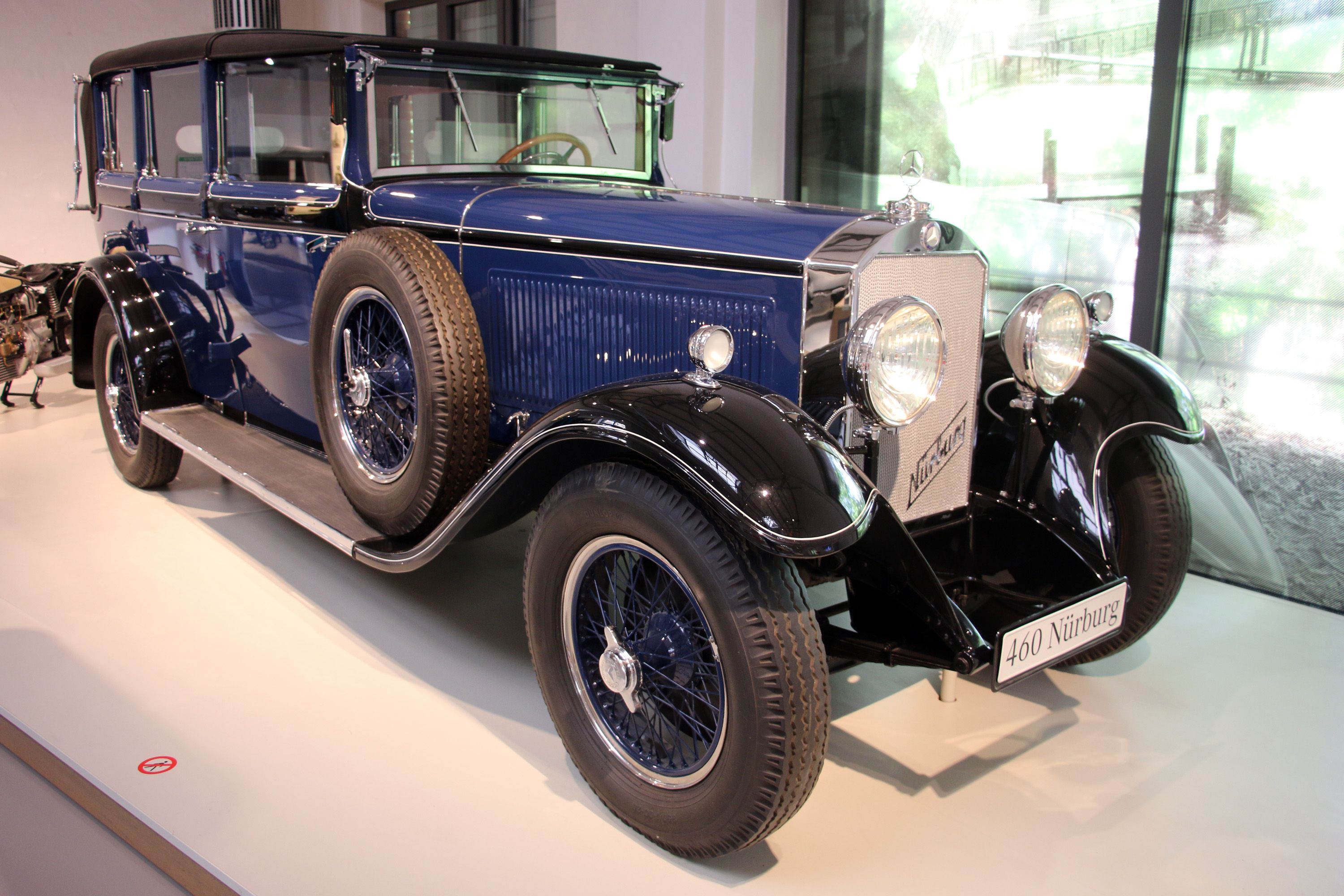
The Mercedes brand name is registered, marking the beginning of one of the world's most prestigious automotive marques.
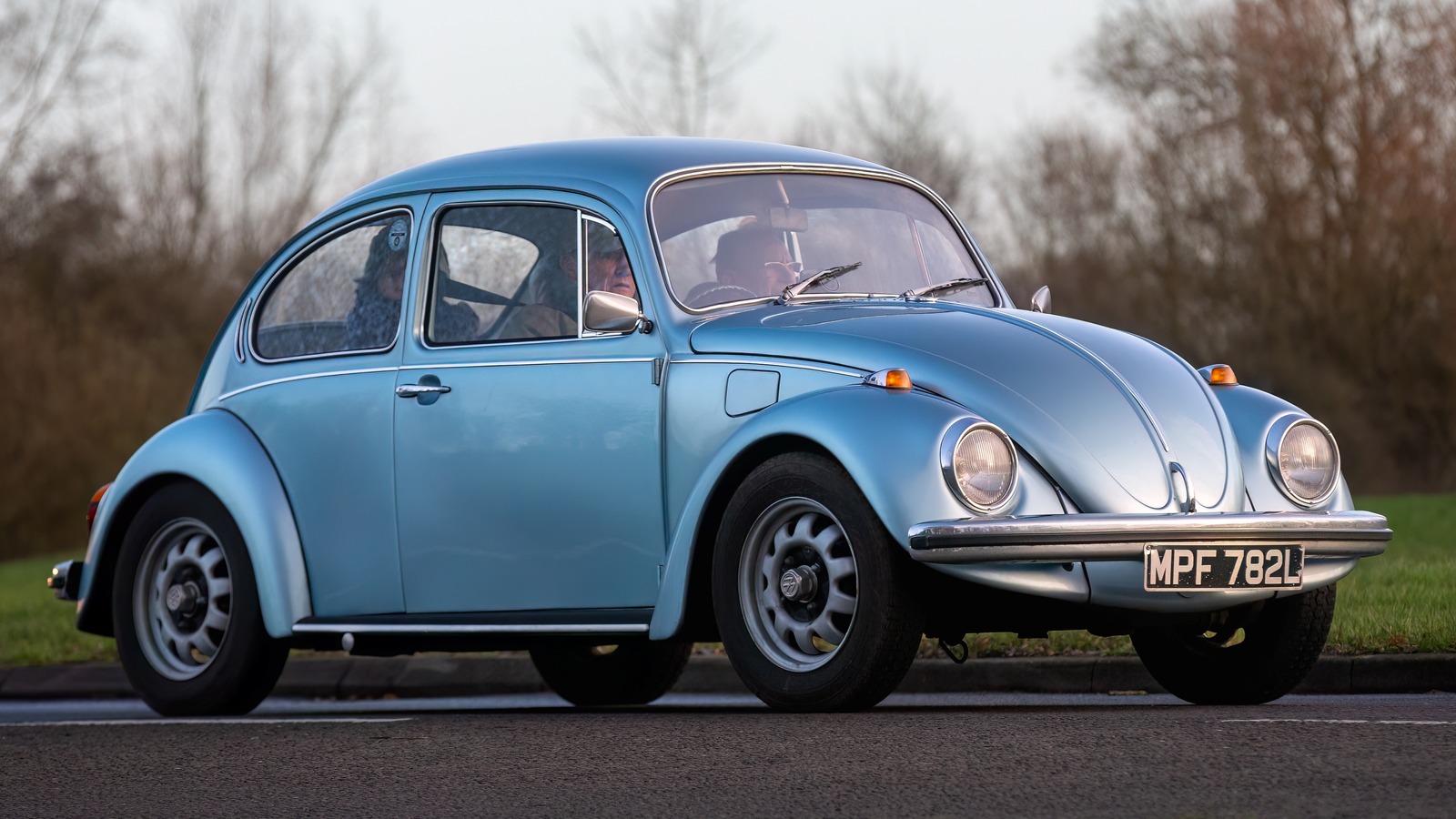
Ferdinand Porsche designs the "people's car" (Volkswagen), creating one of the most iconic and longest-produced car models in history.
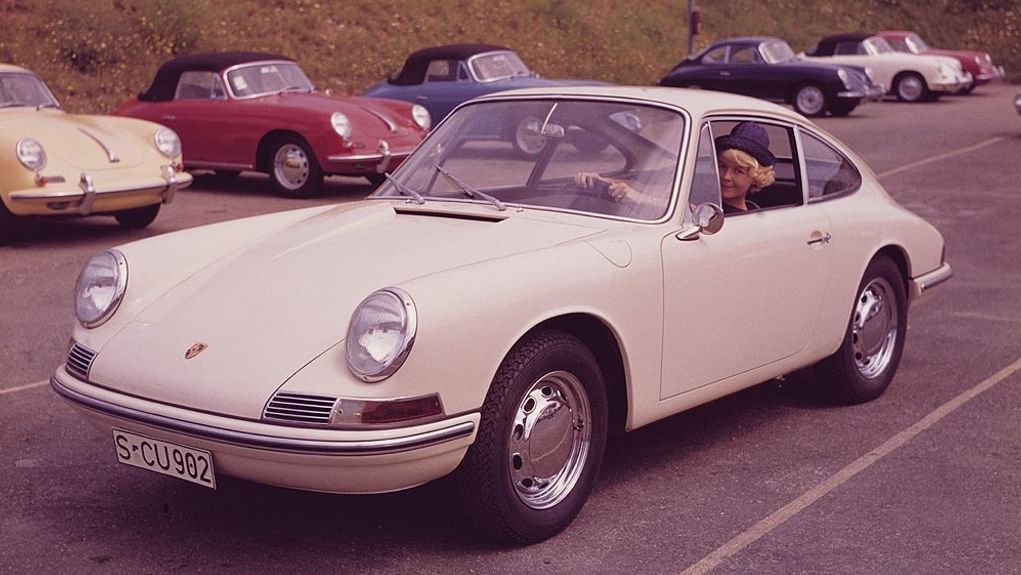
The first Porsche 911 is introduced at the Frankfurt Motor Show, beginning the legacy of one of the most successful sports cars ever made.
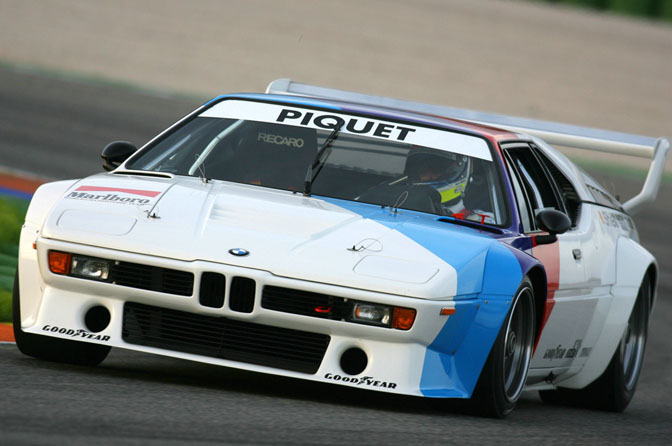
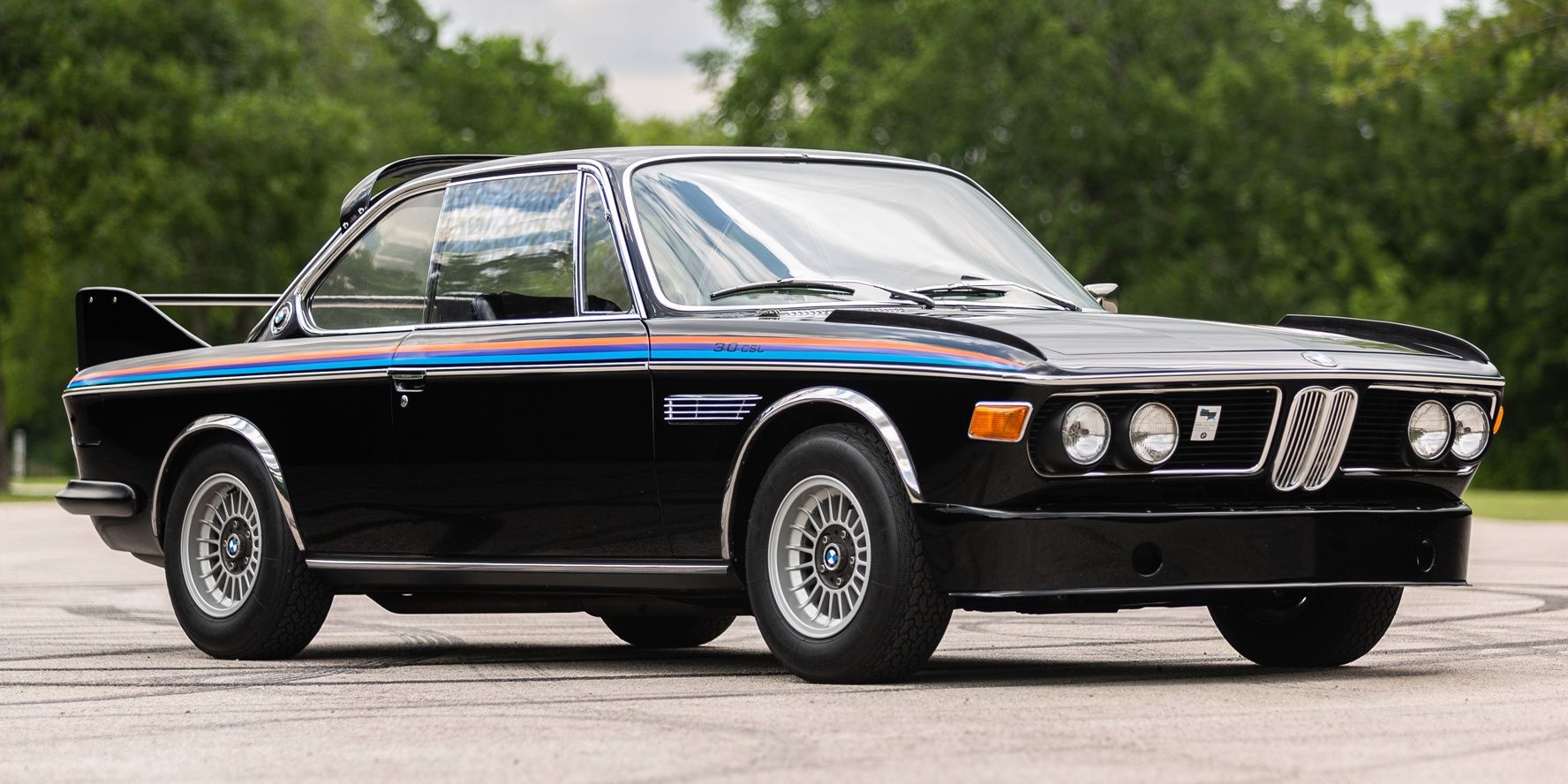
BMW establishes its Motorsport division, leading to the creation of the legendary M-series performance vehicles.
Porsche ventures into the SUV market with the Cayenne, successfully combining sports car performance with utility.
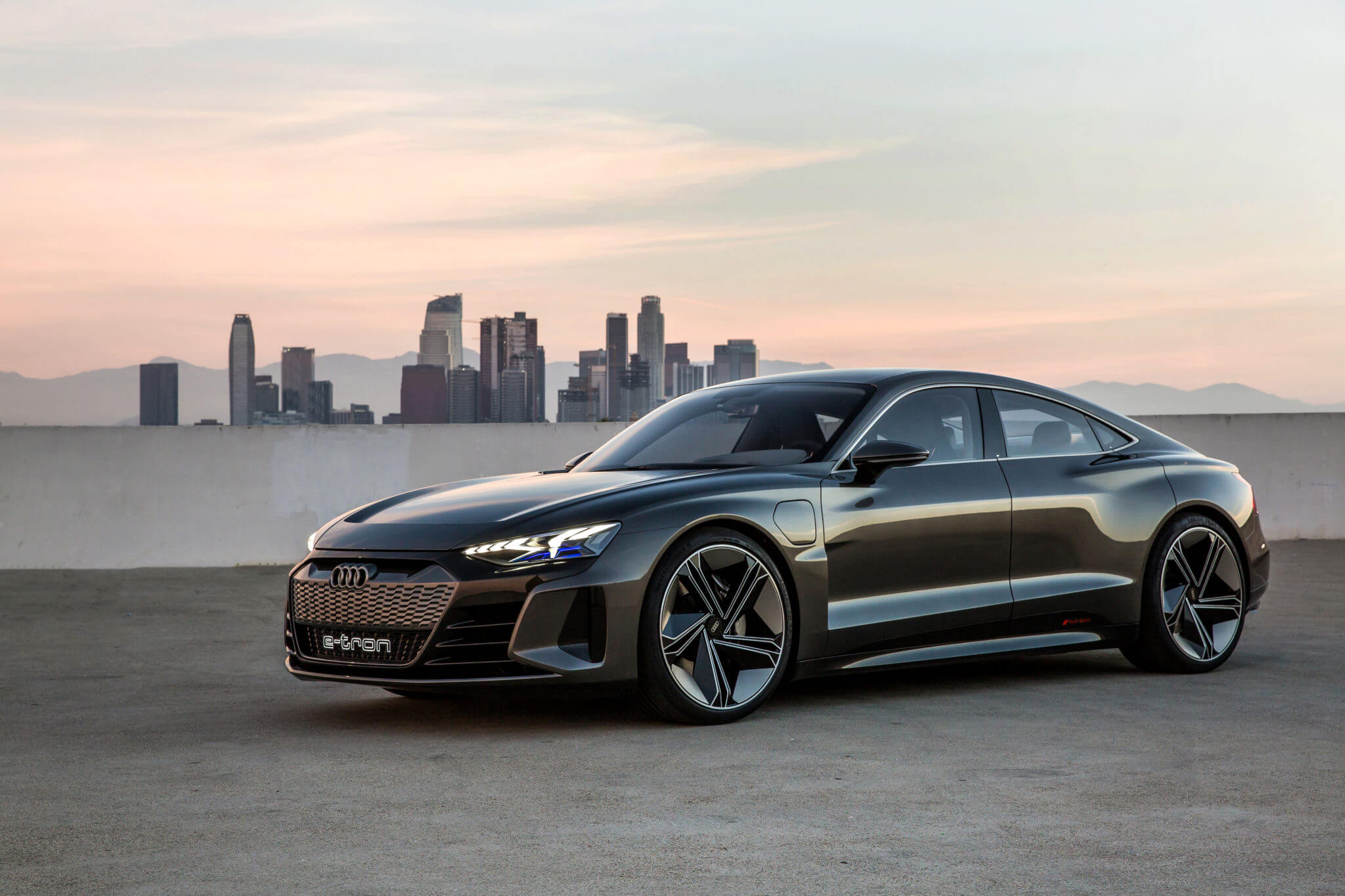
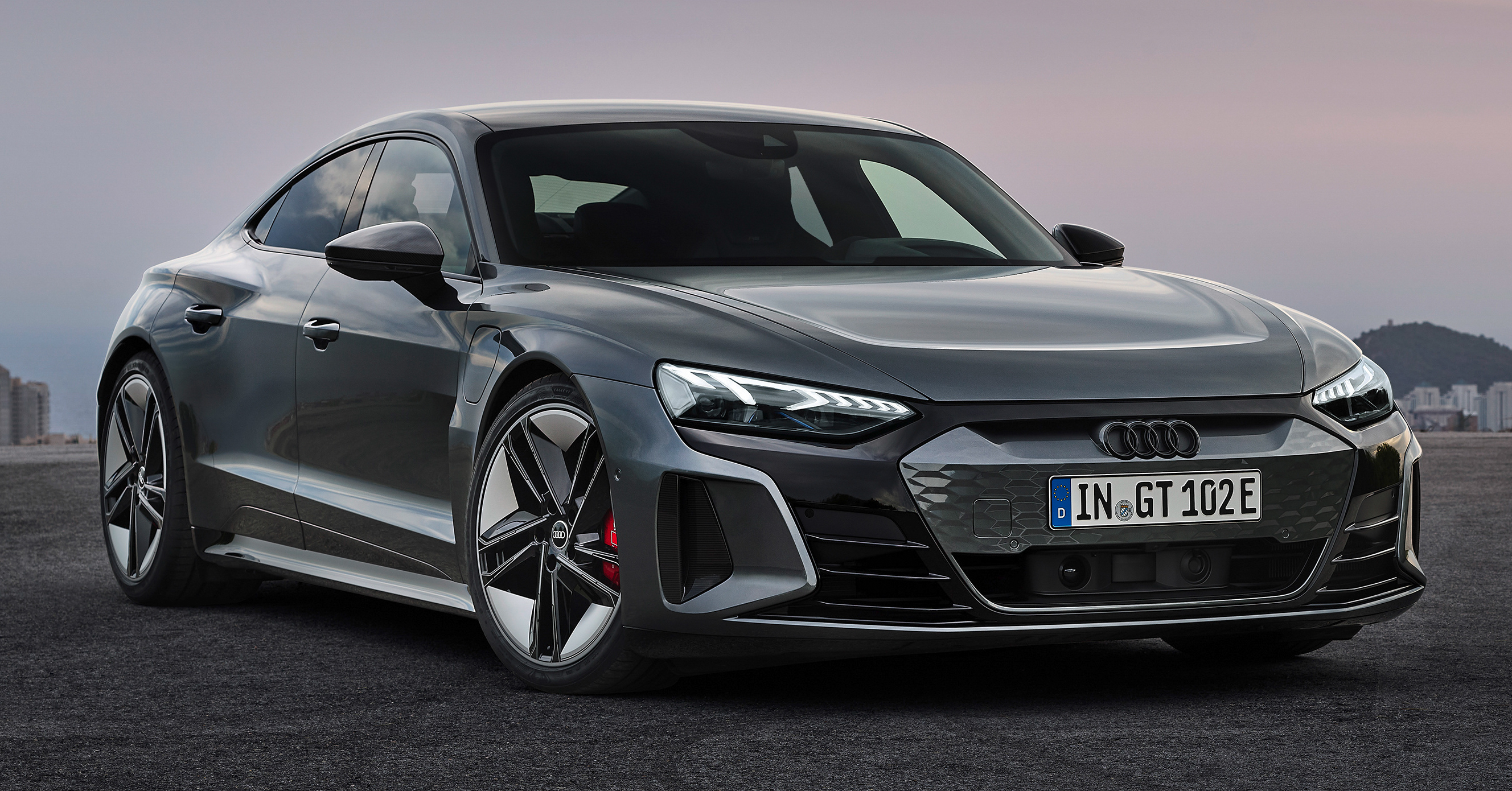
German manufacturers lead the charge in premium electric vehicles with models like the Audi e-tron, Porsche Taycan, and Mercedes EQS.


Germany's automotive industry represents the pinnacle of engineering precision, performance, and luxury.
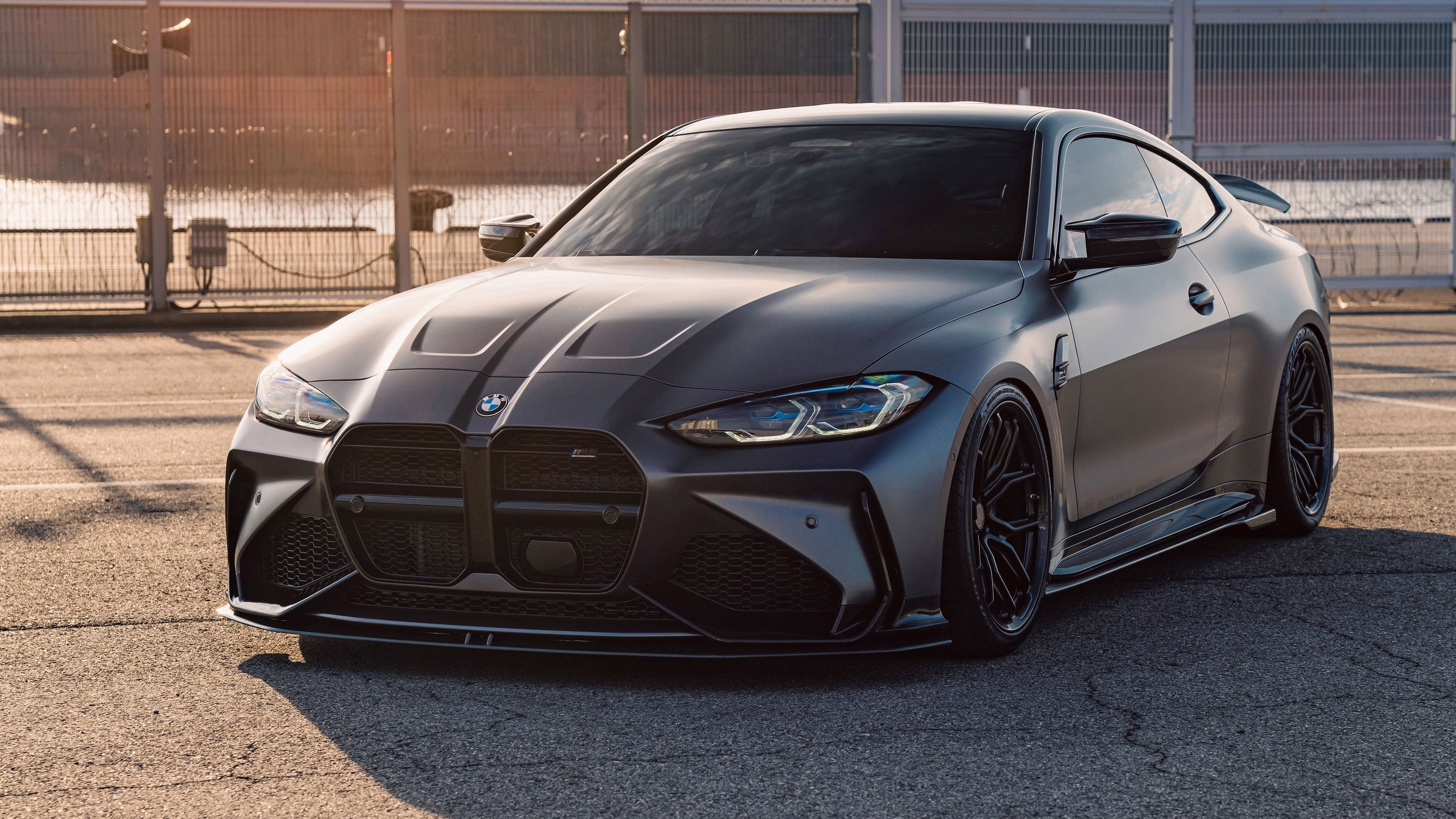
Track-focused performance with everyday usability
The quintessential sports car, refined over generations
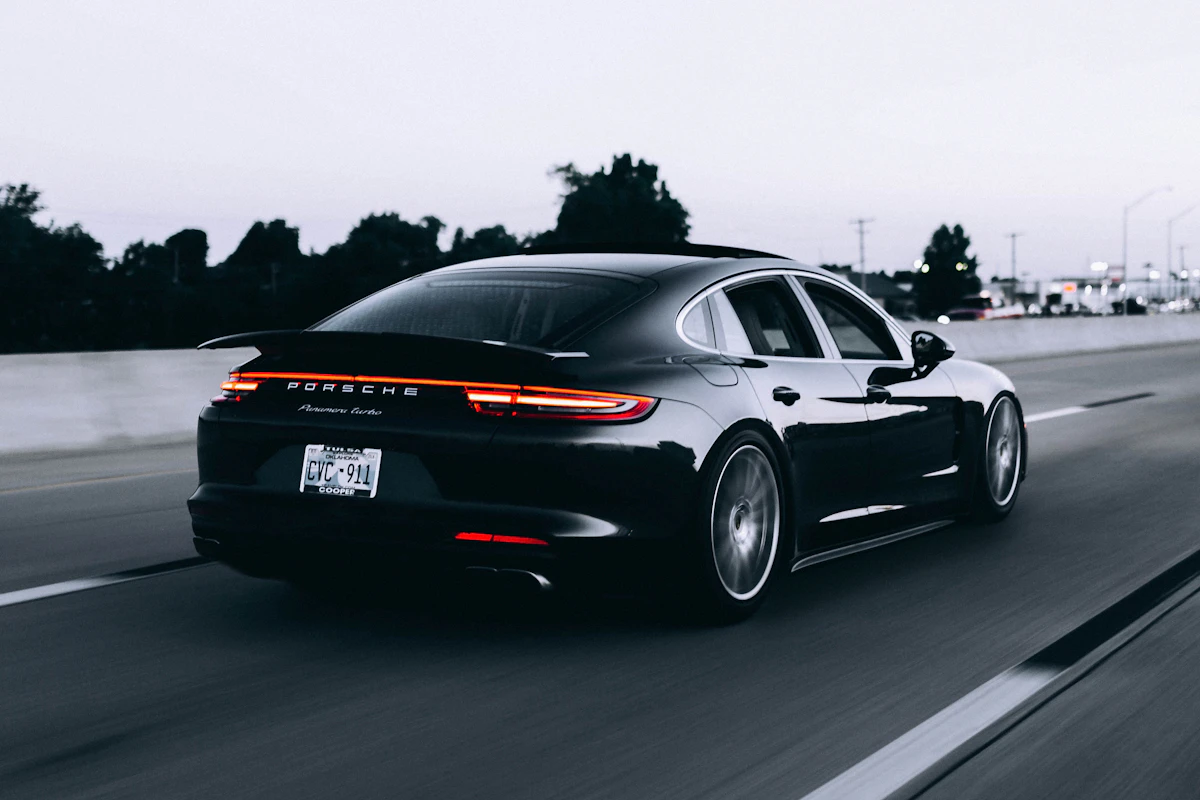
The benchmark for luxury sedans and automotive innovation
Electric performance with quattro all-wheel drive
German automotive brands maintain significant global market share in premium segments.
German manufacturers invest heavily in research and development annually.
Germany remains one of the world's largest automotive exporters.
German engineering is defined by millimeter precision in manufacturing and assembly, ensuring perfect fit and finish.
Continuous research and development drive technological advancements in safety, efficiency, and performance.
Rigorous testing protocols and quality control ensure that every component meets the highest standards of durability.
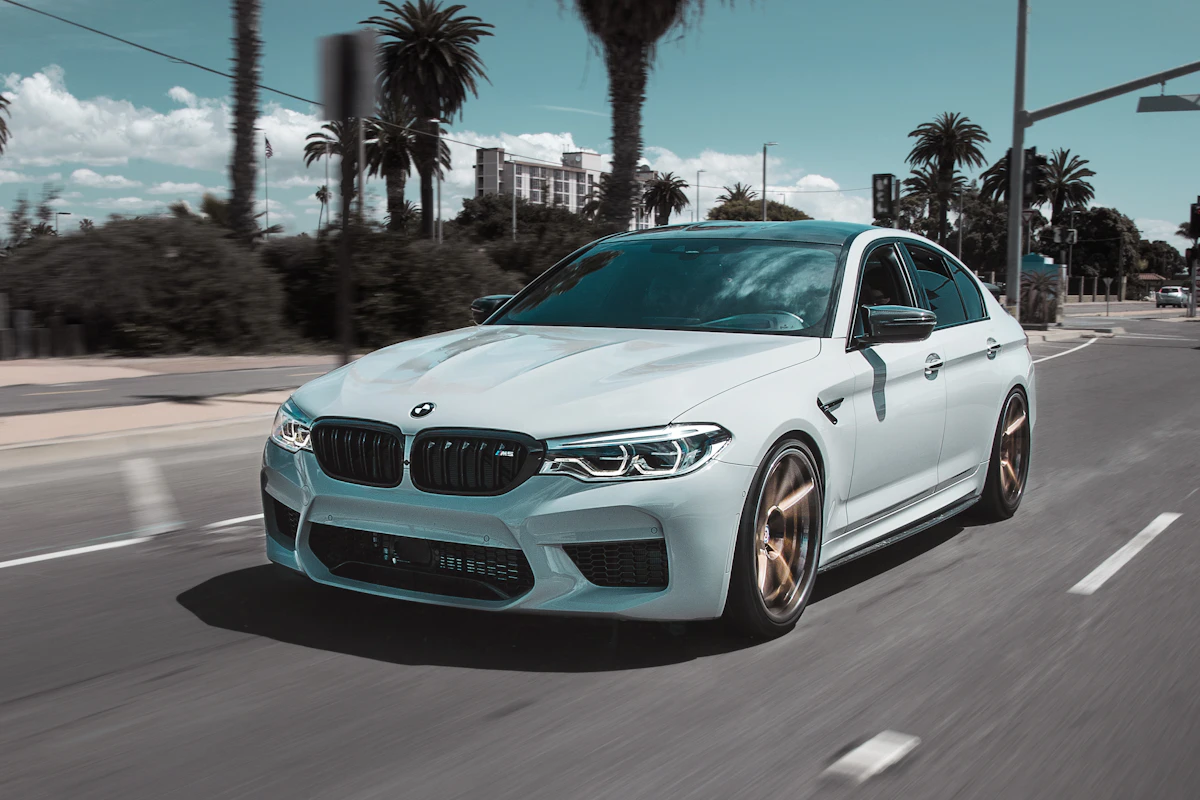
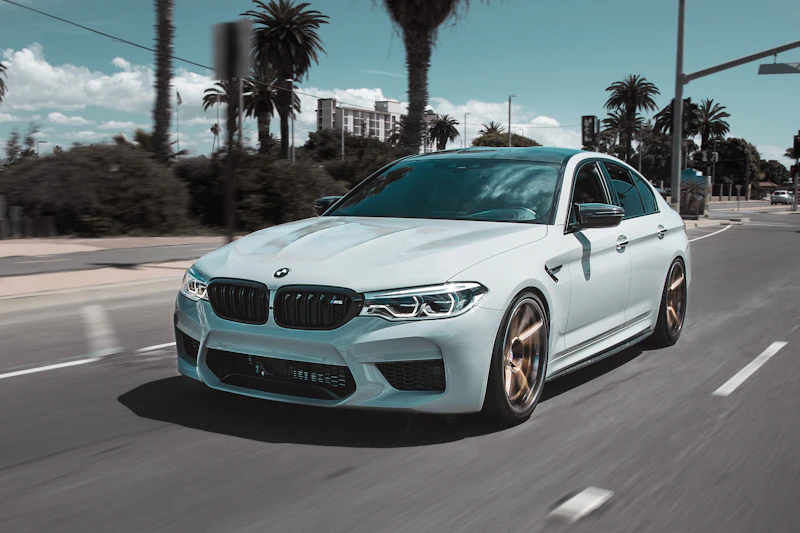
Bayerische Motoren Werke (BMW) combines luxury with sporty performance. Known for rear-wheel drive dynamics, precise steering, and the iconic kidney grille.
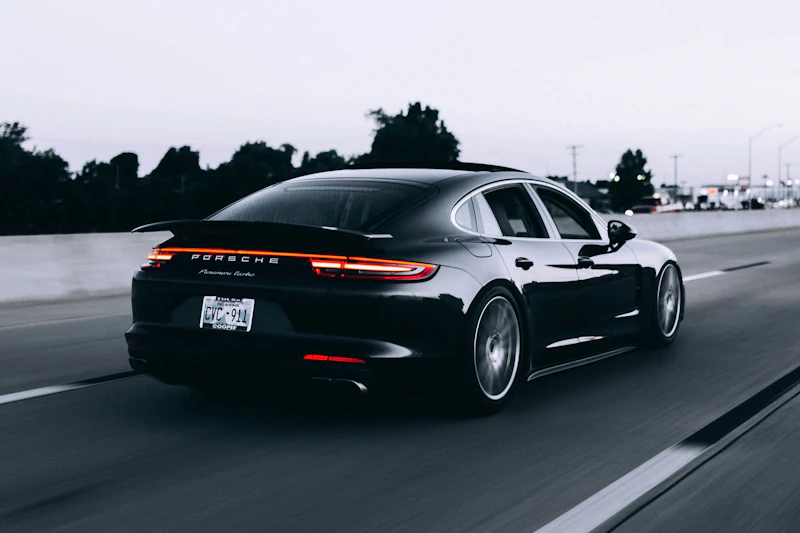
Porsche specializes in high-performance sports cars, SUVs, and sedans. The 911 remains one of the most recognizable and successful sports cars ever made.
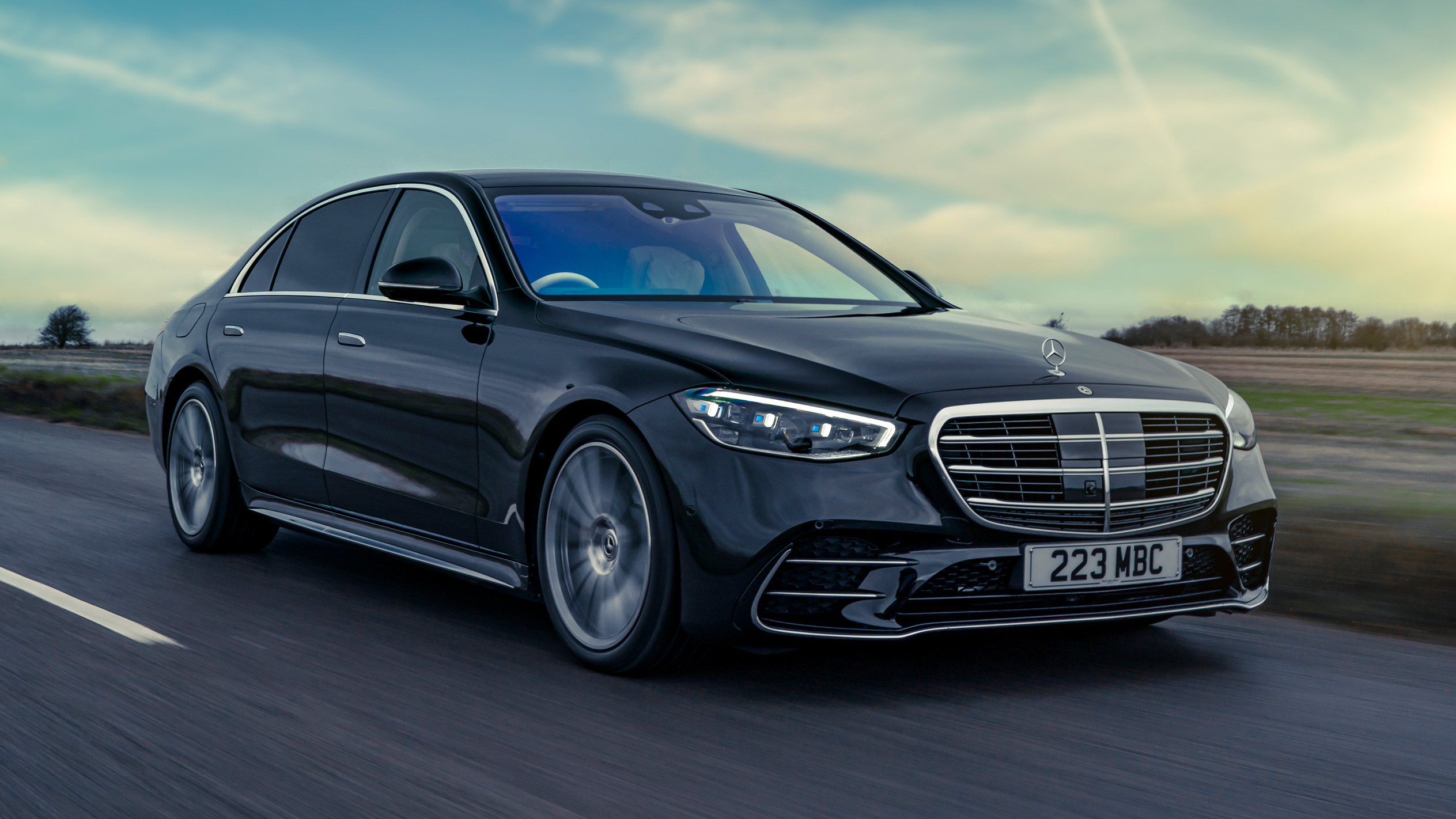
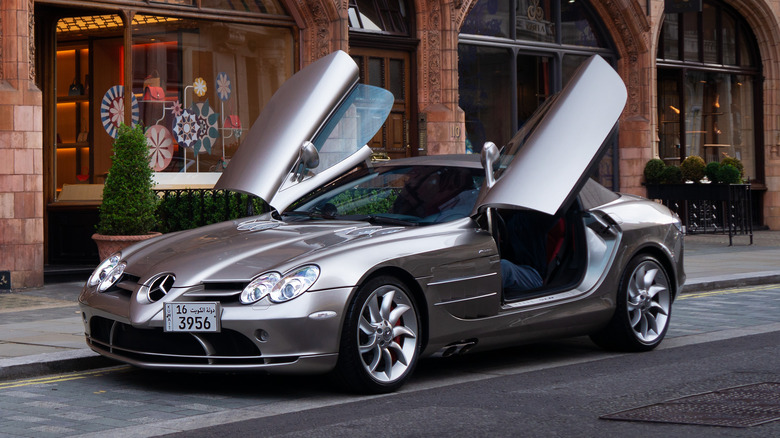
Mercedes-Benz is synonymous with luxury, innovation, and safety. The brand invented the automobile and continues to set standards in automotive technology.
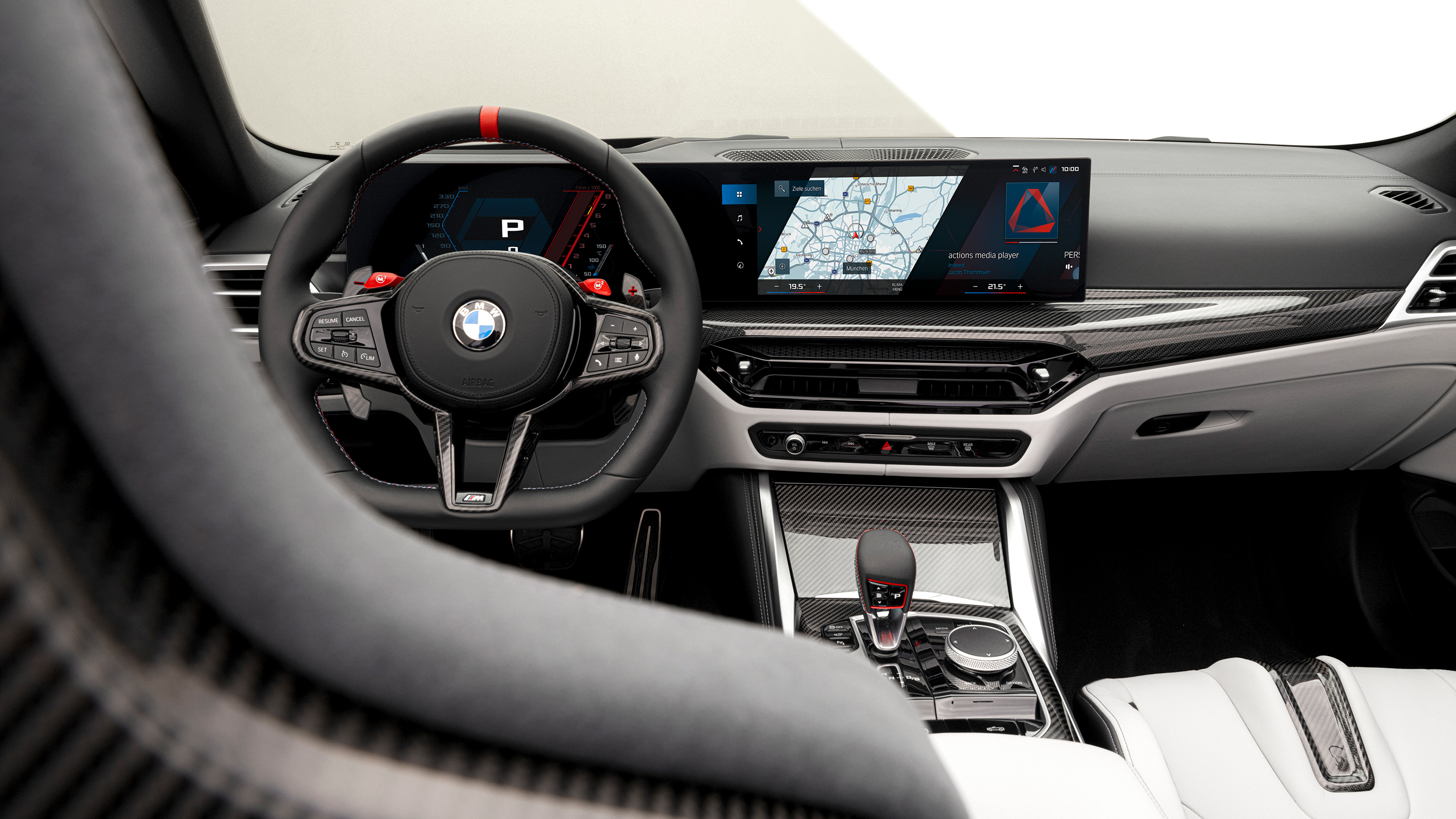
BMW M is where track engineering and road usability merge. The M4 CS represents the pinnacle of the G-series platform.
The CS (Competition Sport) designation signifies major weight savings, achieved through extensive use of **CFRP** (Carbon Fiber Reinforced Plastic) in the hood, roof, rear diffuser, and even the interior trim.
Each component, from the adaptive M suspension to the specialized tuning of the Electronic Power Steering, is meticulously calibrated for optimal **Fahrgefühl** (driving feel) and track performance.
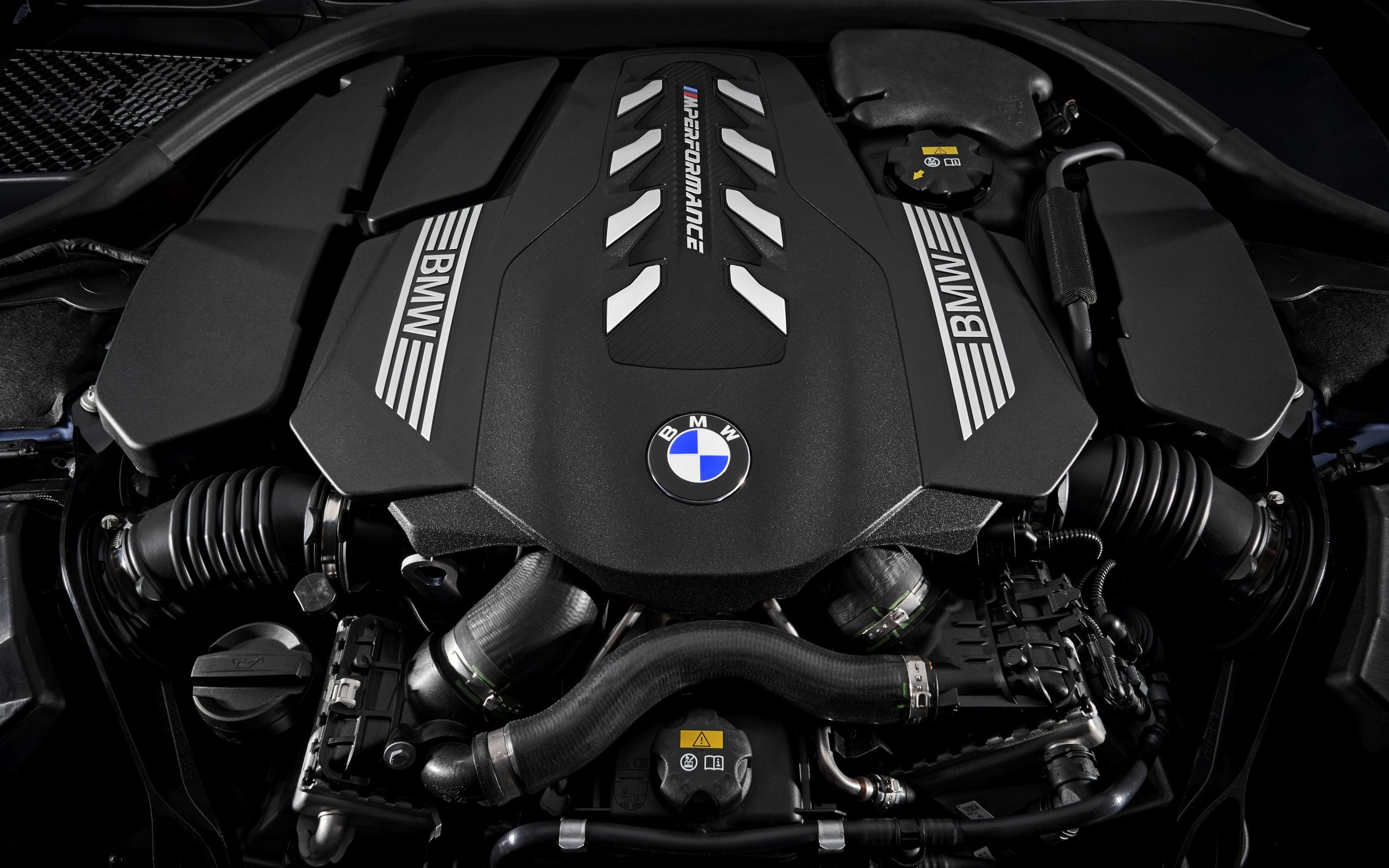
The engine is an engineering marvel, delivering high performance with characteristic German reliability and an aggressive power band.
From classic motorsport icons to modern performance machines, German engineering continues to redefine precision and power.


The Autobahn is a testament to German engineering, metallurgy, and construction prowess. It's more than a road; it's an economic circulatory system.
While often misunderstood as entirely speed limit-free, many sections have advisory limits or are restricted. Where there is no limit, the emphasis is on **driver judgment** and **vehicle capability**—a trust in engineering quality.
The road surfaces are built with thick layers of high-quality concrete and specialized asphalt to handle continuous high-speed traffic, requiring fewer repairs and lasting longer than standard highways.